Quick Answer
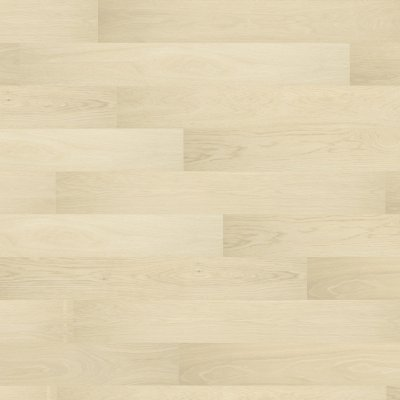
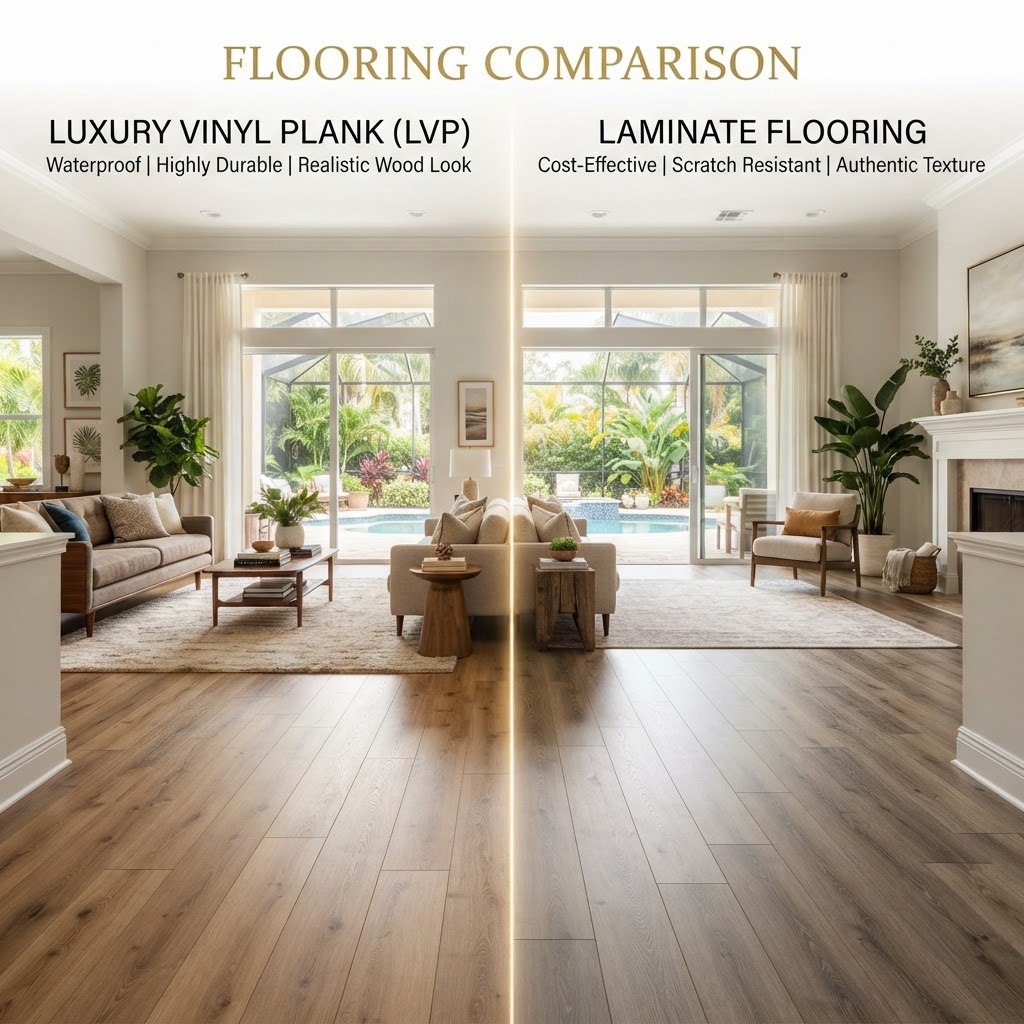
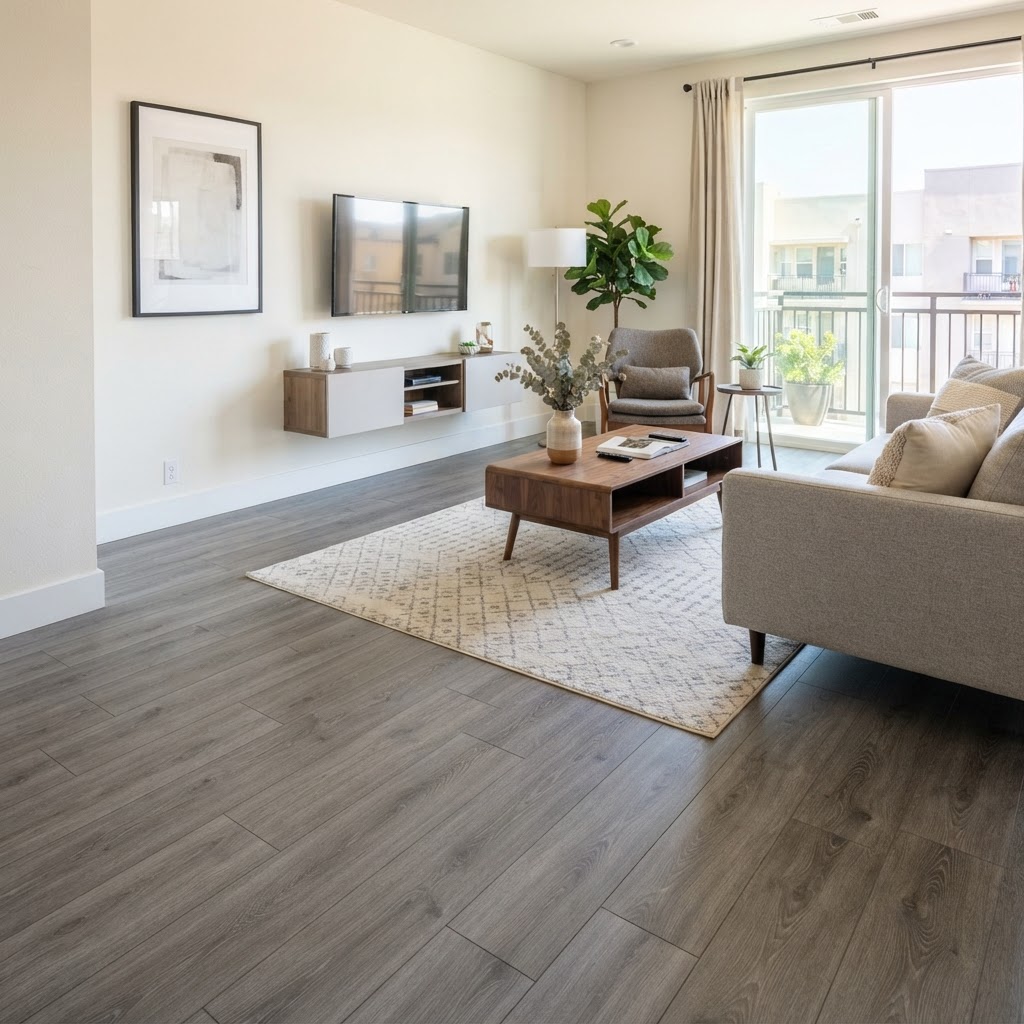
The best flooring for rental properties is luxury vinyl plank (LVP) with a 20+ mil wear layer. It is waterproof, scratch-resistant, easy to clean between tenants, and individual planks can be replaced if damaged. For landlords on a tighter budget, laminate works in dry living spaces but carries water damage risk. Avoid broadloom carpet in rentals — it traps odors, stains permanently, and typically needs full replacement between tenants.
PTAH Flooring works with landlords, property managers, and investors across the Treasure Coast to install durable, cost-effective flooring that stands up to tenant turnover.
Expert Tip: The cheapest flooring is rarely the most cost-effective for a rental. A $3/sq ft carpet that needs replacement every 3 years costs more over 12 years than a $7/sq ft LVP that lasts the entire period. Always calculate cost per year of service, not just upfront material cost.
Why Flooring Choice Matters for Rentals
Rental properties face a unique set of challenges that owner-occupied homes do not:
- Tenant behavior is unpredictable: Tenants may not clean up spills promptly, may drag furniture, may have pets despite lease restrictions, and may not maintain flooring as carefully as an owner would.
- Turnover damage: Every tenant transition carries the risk of damage — from pet stains to scratches to water leaks.
- Odor absorption: Carpet and pad absorb pet odors, cooking smells, and smoke, which can make a unit difficult to re-rent.
- Turnaround speed: Between tenants, you need flooring that can be cleaned quickly, not flooring that requires days of replacement.
- Cost control: Every dollar spent on flooring replacement comes out of your rental yield.
The right flooring choice minimizes turnover costs, extends the time between replacements, and keeps units easy to re-rent at full market value.
Flooring Options for Rental Properties
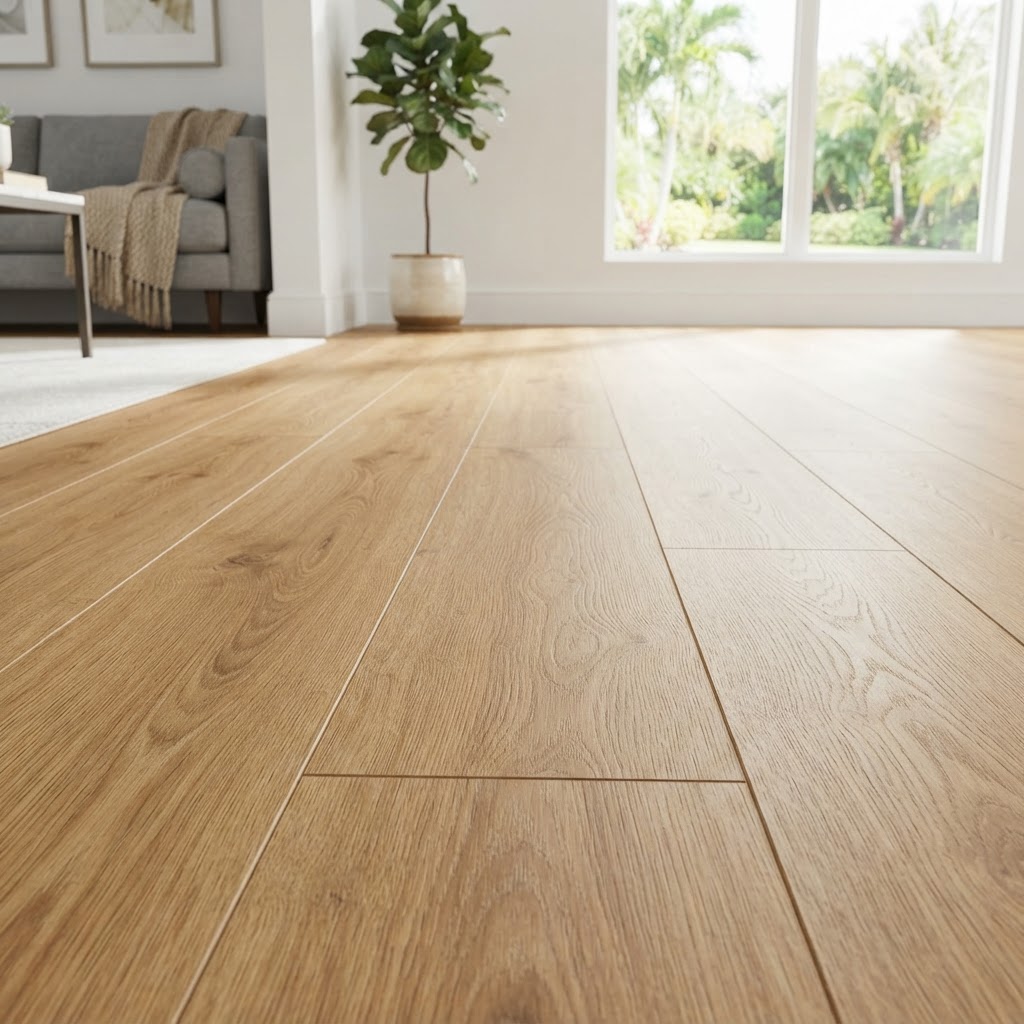
1. Luxury Vinyl Plank (LVP) — Top Recommendation
LVP is the clear winner for rental properties. Here's why:
| Factor | Rating |
|---|---|
| Waterproof | Yes (100%) |
| Scratch resistance | Very good (20+ mil wear layer) |
| Pet damage resistance | Excellent |
| Stain resistance | Excellent |
| Cleanability between tenants | Excellent (damp mop, sanitize) |
| Plank replaceability | Yes (individual planks) |
| Odor absorption | None (non-porous surface) |
| Lifespan in rental | 10–15 years |
| Installed cost | $5–$10 / sq ft |
Why LVP wins for rentals:
- A tenant's spilled drink, pet accident, or overflowing toilet will not damage the floor
- Between tenants, the floor can be mopped and sanitized — no replacement needed
- If a plank is scratched or damaged, it can be replaced individually
- The non-porous surface does not absorb odors, so the unit stays fresh
- Waterproof construction means you don't panic about plumbing leaks
Explore our Luxury Vinyl Plank Collection for rental-grade options.
Expert Tip: For rentals, choose LVP with a minimum 20-mil wear layer. The wear layer is what resists scratches and scuffs from furniture, pets, and foot traffic. Thinner wear layers will show wear patterns within a single tenancy.
2. Laminate — Budget Option for Dry Spaces
Laminate is a viable budget option for rental properties, but only in dry living spaces (living rooms, bedrooms, hallways) and only if you accept the water damage risk.
| Factor | Rating |
|---|---|
| Waterproof | No (water-resistant only) |
| Scratch resistance | Excellent |
| Pet damage resistance | Moderate (urine can damage joints) |
| Stain resistance | Very good |
| Cleanability between tenants | Good (damp mop, minimal water) |
| Plank replaceability | Yes (click-lock) |
| Odor absorption | Low (but joints can absorb) |
| Lifespan in rental | 5–10 years |
| Installed cost | $4–$8 / sq ft |
When laminate makes sense for rentals:
- Budget is the primary concern
- The unit has low turnover (long-term tenants)
- You are flooring dry spaces only (no kitchens, baths, or laundry)
- You accept the risk of water damage replacement
When laminate is a bad choice:
- Kitchens, bathrooms, or laundry rooms (water damage risk)
- Units with high turnover
- Pet-friendly rentals
- Properties where tenants may not clean spills promptly
Browse our Laminate Collection including the Arlington laminate line.
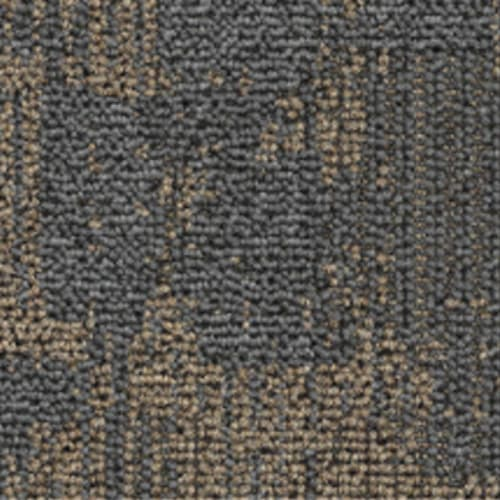
3. Commercial Carpet Tile — For Apartment Common Areas
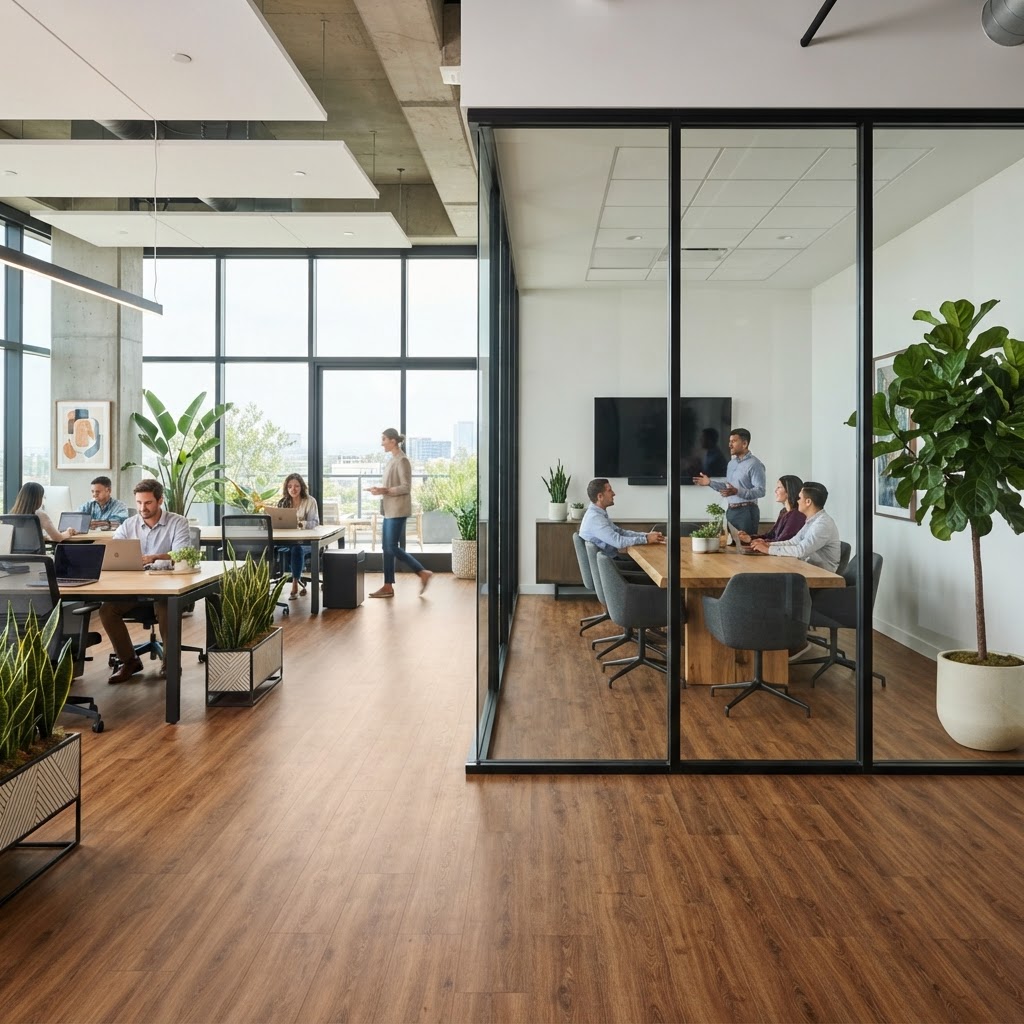
For multi-family properties, commercial carpet tile is an excellent choice for common areas: hallways, stairwells, leasing offices, and amenity spaces.
| Factor | Rating |
|---|---|
| Durability | Excellent (Class 33) |
| Stain resistance | Good (with solution-dyed nylon) |
| Tile replaceability | Excellent (individual tiles) |
| Odor management | Moderate (requires cleaning) |
| Lifespan | 10–15 years |
| Installed cost | $6–$12 / sq ft |
Why carpet tile works in common areas:
- Individual tiles can be replaced when stained or damaged (common in high-traffic hallways)
- Cushion backing improves acoustic performance in hallways and stairwells
- Professional appearance enhances property value
- Commercial-grade construction withstands constant foot traffic
See our Commercial Carpet Tile Buying Guide for detailed specs.
Expert Tip: In apartment common areas, keep a box of spare carpet tiles on-site. When a tile is stained or damaged, the property manager can swap it out in 5 minutes — no need to call a flooring contractor for every incident.
ROI Analysis
The true cost of rental flooring is not the upfront price — it's the cost per year of service, including maintenance, replacement, and turnover costs.
10-Year Cost Comparison (per square foot)
| Flooring | Upfront | Replacement Cycles | Maintenance | Total 10-Yr Cost | Cost/Year |
|---|---|---|---|---|---|
| LVP (20 mil) | $7 | 0 | Low | $8 | $0.80 |
| Laminate | $5 | 1 (water damage) | Low | $11 | $1.10 |
| Budget carpet | $3 | 2 (every 3-4 yrs) | Moderate | $11 | $1.10 |
| Mid-range carpet | $5 | 1 (every 5 yrs) | Moderate | $11 | $1.10 |
Quick Fact: While LVP has a higher upfront cost, it typically delivers the lowest 10-year cost per year of service for rental properties — especially in units with pets or frequent turnover.
ROI factors beyond flooring cost:
- Faster re-renting: Fresh-looking LVP floors help units show well and rent faster
- Higher rent: Quality flooring justifies higher rent and attracts better tenants
- Lower turnover costs: LVP can be cleaned, not replaced, between most tenancies
- Reduced vacancy: Less time between tenants means less lost rent
Tenant Turnover Considerations
Every tenant transition is when flooring takes a beating. Here's how different flooring types handle turnover:
| Factor | LVP | Laminate | Carpet |
|---|---|---|---|
| Cleaning between tenants | Mop and sanitize | Damp mop (minimal water) | Steam clean or replace |
| Odor removal | Complete (non-porous) | Partial (joints may absorb) | Difficult (pad absorbs) |
| Pet stain recovery | Clean and sanitize | May need plank replacement | Usually needs replacement |
| Turnaround time | 1–2 hours | 1–2 hours | 1–3 days (if replacing) |
| Cost per turnover | Minimal | Low to moderate | High (if replacing) |
The turnover advantage of LVP is significant. A unit with LVP can typically be cleaned and re-rented in a day. A unit with carpet may need carpet replacement (1–3 days), during which the unit is unrentable.
Maintenance Costs
| Flooring | Annual Maintenance Cost | Maintenance Requirements |
|---|---|---|
| LVP | $0.10–$0.20 / sq ft | Sweep, damp mop |
| Laminate | $0.10–$0.20 / sq ft | Sweep, damp mop (minimal water) |
| Carpet (in-unit) | $0.50–$1.00 / sq ft | Vacuum, annual steam cleaning |
| Carpet tile (common area) | $0.30–$0.60 / sq ft | Vacuum, periodic extraction, tile rotation |
Carpet maintenance is significantly more expensive than hard flooring, and even with diligent maintenance, carpet in rentals typically needs full replacement every 3–5 years.
Durability by Scenario
Pet Damage
| Scenario | LVP | Laminate | Carpet |
|---|---|---|---|
| Pet urine (cleaned promptly) | No damage | No damage | Stain likely |
| Pet urine (left overnight) | No damage | Joint swelling | Permanent damage |
| Pet scratches | Minor (20+ mil) | Minor | Visible wear |
| Pet odor retention | None | Possible (joints) | Significant |
Water Incidents
| Scenario | LVP | Laminate | Carpet |
|---|---|---|---|
| Spilled drink | No damage | No damage (if cleaned) | Stain if not cleaned |
| Plumbing leak | No damage | Permanent damage | Replacement likely |
| Overflowing toilet | No damage | Permanent damage | Replacement required |
Furniture and Moving
| Scenario | LVP | Laminate | Carpet |
|---|---|---|---|
| Furniture drag scratches | Possible | Less likely | Not applicable |
| Heavy item dents | Possible | Less likely | Not applicable |
| Moving damage | Individual plank replacement | Individual plank replacement | Usually permanent |
Budget Recommendations
Best Value Overall: LVP (20+ mil wear layer)
Cost: $5–$10 / sq ft installed Best for: Whole-unit installations, properties with pets, high-turnover rentals
Best Budget Option: Laminate in dry areas + LVP in wet areas
Cost: $4–$8 / sq ft (laminate), $5–$10 / sq ft (LVP) Best for: Budget-conscious landlords willing to manage water risk
Best for Common Areas: Commercial carpet tile
Cost: $6–$12 / sq ft installed Best for: Apartment hallways, stairwells, amenity spaces
Landlord Recommendations
- Standardize across your portfolio: Choose one LVP product and use it in every unit. This simplifies maintenance, spare-tile inventory, and unit-to-unit consistency.
- Order 10% extra: Keep a stock of spare planks for each property. When a plank is damaged, replace it immediately rather than letting damage accumulate.
- Specify 20+ mil wear layer: This is the minimum for rental durability. Thinner wear layers will show wear within a single tenancy.
- Avoid carpet in units: The long-term cost and turnover hassle of carpet outweighs the upfront savings. LVP is almost always the better financial decision.
- Use carpet tile in common areas: For multi-family properties, carpet tile's replaceability makes it ideal for high-traffic hallways.
- Screen for pets: If you allow pets, LVP is essential — carpet and laminate cannot handle the accident risk.
- Document flooring condition: Photograph flooring at move-in and move-out to manage security deposit deductions for damage.
Buying Checklist
- Wear layer: Minimum 20 mil for LVP in rentals
- Waterproof rating: 100% waterproof (LVP) for kitchens, baths, and laundry
- Click-lock system: For easy individual plank replacement
- Color selection: Mid-tone colors hide wear better than very light or very dark
- Texture: Embossed texture hides minor scratches and scuffs
- Spare inventory: Order 10% extra for future replacements
- Warranty: Residential warranty of 15+ years
- Standardization: Choose one product for your entire portfolio
- Installation: Professional installation with proper subfloor prep
- Documentation: Photograph flooring condition at tenant move-in
Our Recommendation
For rental properties across the Treasure Coast — whether you own a single rental in Stuart or manage a portfolio of units across Port St. Lucie, Palm City, and Jensen Beach — luxury vinyl plank with a 20+ mil wear layer is the clear best choice. The waterproof construction, durability, and turnover-friendly maintenance deliver the best long-term ROI of any flooring option.
For multi-family common areas, commercial carpet tile from our Carpet Tile Collection is the practical, professional choice.
Explore our flooring collections and get your project started:
- Luxury Vinyl Plank — the top rental choice
- Laminate — budget option for dry areas
- Carpet Tile — for apartment common areas
Ready for an estimate? Get your instant flooring quote or contact PTAH Flooring for a consultation. We work with landlords and property managers across Stuart, Port St. Lucie, Palm City, Jensen Beach, Fort Pierce, Jupiter, Palm Beach Gardens, and Vero Beach.