Quick Answer
Commercial carpet tile is a modular flooring system that offers durability, design flexibility, and easy maintenance for offices, medical facilities, schools, retail spaces, and restaurants. The key buying considerations are construction type, backing system, traffic rating, and installation method — and choosing the right combination for your specific space and traffic level.
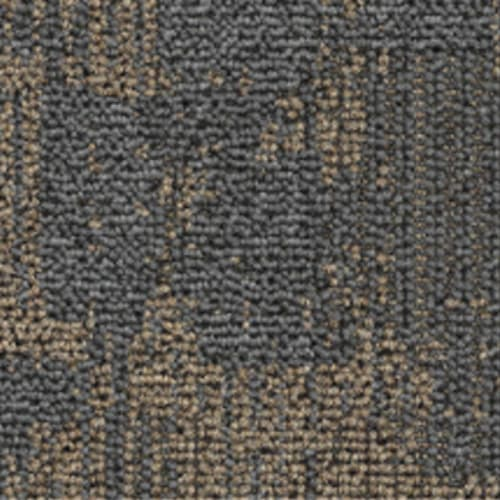
PTAH Flooring installs commercial carpet tile throughout the Treasure Coast, including the SFI Corporate collection used in our featured 6,656 SF office renovation in Port St. Lucie.
Expert Tip: Always order 5–10% extra carpet tile beyond your measured square footage. These extras are invaluable for replacing damaged tiles over the life of the floor — and dye lots can change, making exact matches difficult years later.
What Is Commercial Carpet Tile?
Commercial carpet tile is a modular flooring product manufactured in square tiles (typically 18×18 or 24×24 inches) designed for commercial traffic levels. Unlike residential carpet (broadloom), which is installed as a continuous roll, carpet tile is installed as individual pieces that can be laid in various patterns and individually replaced when damaged.
The modular nature of carpet tile makes it the most practical flooring choice for commercial spaces because:
- Damaged tiles can be replaced without replacing the entire floor
- Tiles in high-traffic zones can be rotated to low-traffic zones to extend floor life
- Installation can be done in sections, minimizing business disruption
- Creative patterns (ashlar, brick, herringbone, monolithic) add visual interest
- Less waste than broadloom during installation
Explore our Carpet Tile Collection including the SFI Corporate line installed in commercial projects across Stuart, Port St. Lucie, and the Treasure Coast.
Carpet Tile Construction
Carpet tile construction refers to how the carpet surface (the yarn) is made and attached to the backing. There are two primary construction methods:
Tufted Carpet Tile
Tufted carpet is the most common commercial construction. Yarn is punched through a primary backing material to create loops or cut piles. Tufted tile is available in:
- Level loop: Yarn forms uniform loops — excellent durability and appearance retention
- Cut pile: Loops are cut for a softer, more plush surface — good for executive offices
- Cut and loop: Combination of cut and loop yarns creating texture and pattern
Woven Carpet Tile
Woven construction interlaces yarns on a loom, creating a tight, integrated structure. Woven tile is the premium tier — extremely durable and dimensionally stable — but comes at a higher price point. It is typically reserved for high-end corporate spaces.
Yarn Fiber Types
| Fiber | Characteristics | Best For |
|---|---|---|
| Nylon | Excellent durability, resilience, and stain resistance | Heavy commercial traffic, offices, retail |
| Solution-dyed nylon (SDN) | Color is built into the fiber — superior fade and stain resistance | High-traffic, sun-exposed, stain-prone areas |
| Polyester (PET) | Good stain resistance, softer feel, lower cost | Light to moderate commercial traffic |
| Olefin (polypropylene) | Moisture-resistant, economical, less resilient | Budget installations, low-traffic areas |
Our recommendation: For most commercial spaces, solution-dyed nylon offers the best balance of durability, stain resistance, and value. The SFI Corporate collection PTAH Flooring installs uses high-quality nylon construction for long-term performance.
Backing Systems
The backing is the layer beneath the carpet surface that provides dimensional stability, cushioning, and moisture protection. The backing system significantly affects comfort, acoustics, and lifespan.
| Backing Type | Characteristics | Best For |
|---|---|---|
| Hard back (PVC/bitumen) | Firm, dimensionally stable, economical | Budget installations, heavy rolling traffic |
| Cushion back (attached cushion) | Softer underfoot, better acoustics, improves appearance retention | Offices, spaces where standing comfort matters |
| Moisture-impervious back | Blocks moisture from subfloor | Areas over concrete with moisture concerns |
| Glass fiber reinforced | Superior dimensional stability, won't shrink or grow | Large installations, premium commercial |
Why backing matters for comfort and acoustics
Cushion backing absorbs impact, reducing fatigue for people who stand or walk extensively — a significant consideration for offices, retail, and medical environments. It also improves acoustic performance by absorbing footstep noise, which matters in open-plan offices and busy corridors.
Expert Tip: In an office environment, cushion-backed carpet tile can reduce footfall noise by 30–50% compared to hard-back tile, creating a noticeably quieter and more productive workspace.
Traffic Ratings
Carpet tile is rated for traffic level using standardized classifications. Understanding these ratings ensures you choose a product that will perform in your space:
| Rating | Classification | Traffic Level | Example Spaces |
|---|---|---|---|
| Class 31 | Light commercial | Low traffic | Hotel rooms, small private offices |
| Class 32 | Moderate commercial | Moderate traffic | General offices, meeting rooms, classrooms |
| Class 33 | Heavy commercial | Heavy traffic | Open-plan offices, corridors, retail, lobbies |
Our recommendation: For most commercial spaces, specify Class 33 (heavy commercial) carpet tile. The cost difference between Class 32 and Class 33 is modest, but the lifespan and appearance retention improvement is significant.
Maintenance
One of the biggest advantages of carpet tile is its maintainability:
Daily Maintenance
- Vacuum daily or every other day in high-traffic areas
- Use a vacuum with a beater bar/brush roll for cut pile; suction-only for level loop
- Spot clean spills immediately with manufacturer-approved cleaner
Periodic Maintenance
- Interim cleaning: Hot water extraction (steam cleaning) every 6–12 months depending on traffic
- Deep cleaning: Full restorative cleaning annually for heavy-traffic areas
- Encapsulation cleaning: Low-moisture method for interim cleaning between extractions
Tile Rotation and Replacement
- Rotate tiles from high-traffic to low-traffic areas every 6–12 months to even out wear
- Replace permanently stained or damaged tiles immediately using spare tiles from the original order
- Keep a record of the product name and dye lot for future matching
Quick Fact: A well-maintained commercial carpet tile floor with regular rotation and spot replacement can last 50–100% longer than a neglected floor of the same product.
Pattern Matching and Layout Options
Carpet tile offers creative layout flexibility that broadloom cannot match. The most common patterns:
Monolithic (Quarter Turn)
All tiles oriented in the same direction. Creates a uniform, seamless look. Best for solid colors and subtle textures.
Ashlar (Brick)
Tiles laid in a staggered pattern (like brickwork), with adjacent rows offset by half a tile. Adds visual interest and is the most popular commercial layout. Excellent for directional patterns and textures.
Quarter Turn (Checkerboard)
Each tile rotated 90 degrees from the adjacent tile. Creates a subtle checkerboard effect that helps hide soiling and traffic patterns.
Herringbone and Custom Patterns
More complex layouts using directional tiles. Creates high-end visual impact for lobbies and premium spaces. Requires more installation time and slightly more waste.
PTAH Flooring's recommendation: For most offices, an ashlar pattern offers the best balance of visual interest, practicality, and professional appearance. See our commercial project showcase to view ashlar pattern installations from our 6,656 SF office renovation.
Installation Methods
| Method | Description | Best For |
|---|---|---|
| Full spread adhesive | Adhesive troweled across the entire subfloor | Heavy traffic, large installations, permanent installations |
| TacTiles (modular) | Adhesive tabs placed at tile intersections | Faster install, less mess, easy tile replacement |
| releasable adhesive | Pressure-sensitive adhesive allowing future removal | Leased spaces, TI projects with potential changes |
| Double-stick | Cushion glued down, then carpet tile glued to cushion | Premium acoustic and comfort performance |
Our recommendation: For most commercial installations, PTAH Flooring uses full spread adhesive for maximum stability and longevity. For TI projects in leased spaces, releasable adhesive allows for easier future removal or reconfiguration.
See our 5-step installation process to understand how PTAH Flooring handles commercial carpet tile installation from subfloor preparation through final walkthrough.
Replacing Individual Tiles
This is the killer feature of carpet tile. Here's how it works:
- Identify the damaged tile — Look for permanent stains, burns, wear, or damage.
- Lift the tile — Using a carpet tile release tool, peel up the damaged tile (with releasable adhesive, this is easy; with full-spread adhesive, more effort is required but still doable).
- Clean the subfloor — Remove old adhesive residue and prepare the surface.
- Install the replacement — Apply fresh adhesive if needed, place the new tile, and press into place.
- Done — The repair takes 5–15 minutes per tile.
This is why we always recommend ordering spare tiles. A box of 10–20 spare tiles can keep your floor looking new for years by replacing high-wear or stained tiles as needed.
Expert Tip: Store spare tiles flat in a dry, temperature-controlled area. Label them with the product name, dye lot, and installation date for easy reference years later.
Cost
| Cost Factor | Typical Range |
|---|---|
| Carpet tile material (budget) | $2–$4 / sq ft |
| Carpet tile material (mid-range) | $4–$7 / sq ft |
| Carpet tile material (premium) | $7–$12 / sq ft |
| Adhesive / TacTiles | $0.50–$1.50 / sq ft |
| Subfloor preparation | $0.50–$3.00 / sq ft (varies by condition) |
| Installation labor | $2–$4 / sq ft |
| Total installed cost | $5–$20 / sq ft |
For an accurate estimate for your commercial space, use our Instant Flooring Quote Calculator or contact PTAH Flooring for a site visit and consultation.
Industry-Specific Recommendations
Offices
Recommended: Class 33 carpet tile with cushion backing, solution-dyed nylon fiber, ashlar pattern layout.
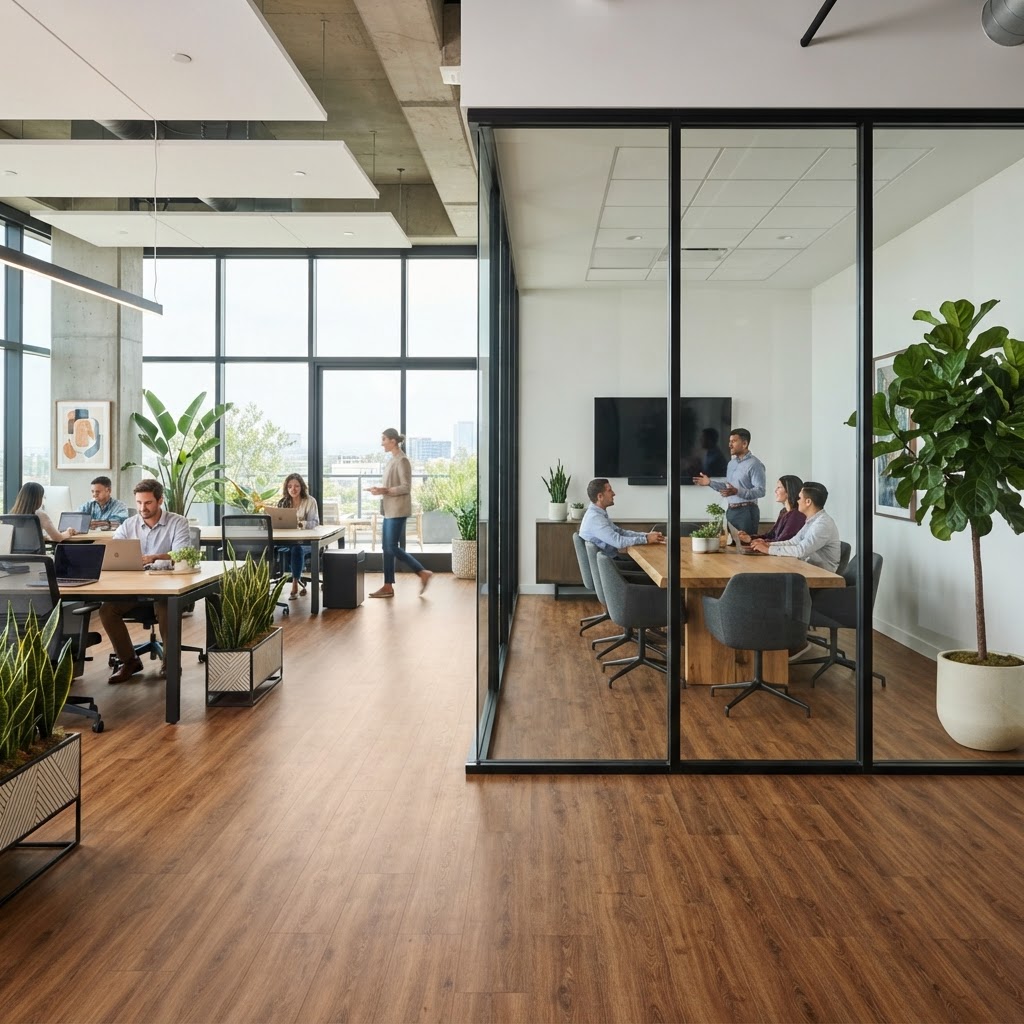
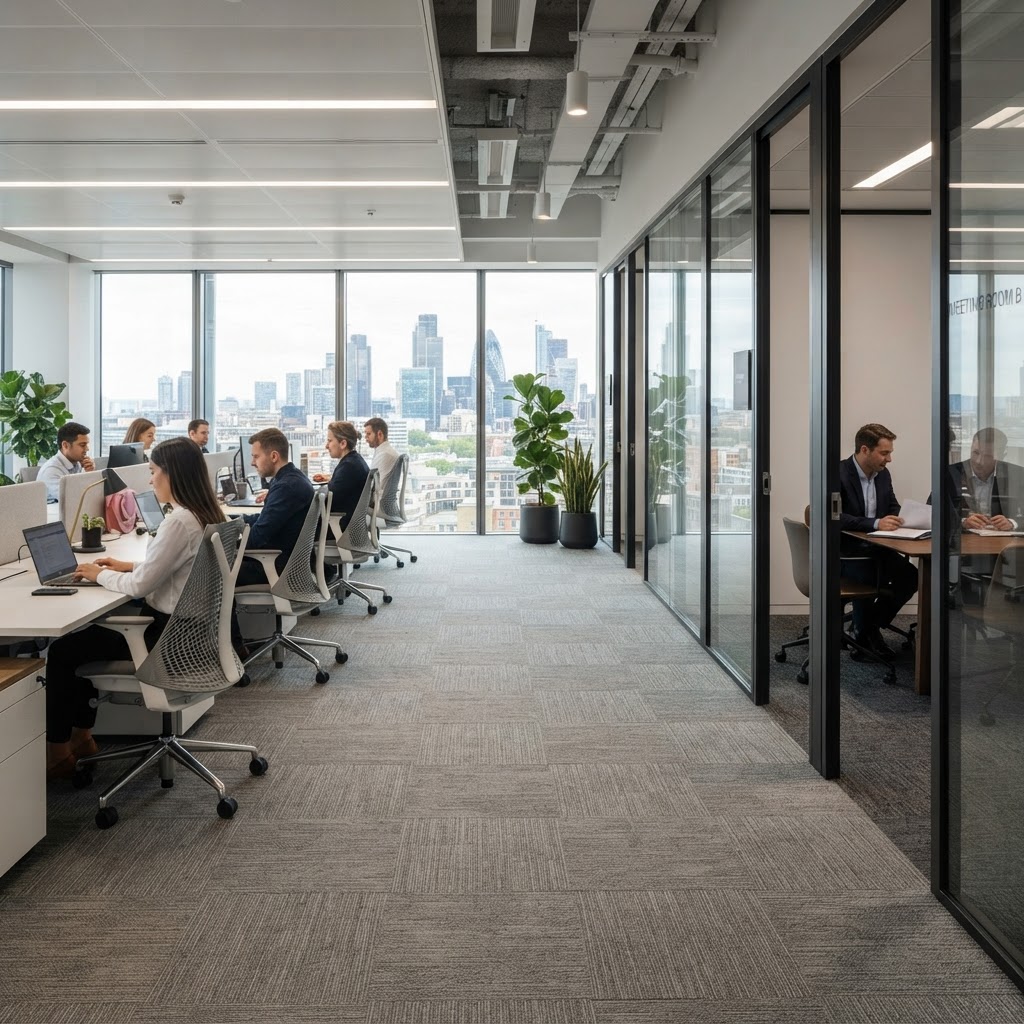
Offices benefit from carpet tile's acoustic properties, comfort underfoot, and professional appearance. Cushion backing improves comfort for staff who stand or walk frequently. The SFI Corporate collection PTAH Flooring installs is engineered for office environments.
Medical Facilities
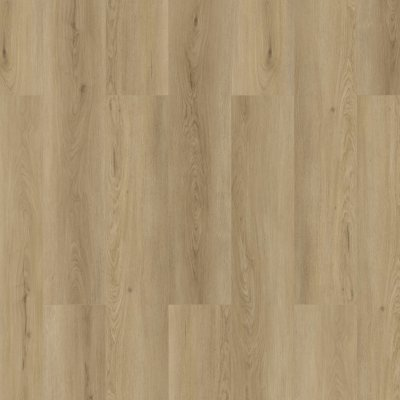
Recommended: Class 33 carpet tile with moisture-impervious backing in waiting areas; glue down luxury vinyl in treatment areas.
In medical settings, carpet tile is appropriate for waiting rooms and administrative areas where comfort and acoustics matter. Treatment areas, exam rooms, and corridors require impervious flooring (glue down vinyl) for infection control. See our Best Flooring for Medical Offices guide.
Schools
Recommended: Class 33 carpet tile with stain-resistant fiber and hard-back or moisture-impervious backing.
Schools need durable, stain-resistant flooring that can handle heavy traffic and frequent cleaning. Solution-dyed nylon with a moisture-impervious backing is ideal. The modular nature allows quick replacement of damaged tiles during school breaks.
Retail
Recommended: Class 33 carpet tile in specific zones; glue down luxury vinyl in high-traffic aisles and entryways.
In retail, carpet tile works well in fitting rooms, display areas, and softer zones, while glue down vinyl handles the main traffic paths. See our Best Flooring for Offices and commercial product pages for more guidance.
Restaurants
Recommended: Carpet tile only in dining areas; glue down vinyl or commercial tile in kitchens and service areas.
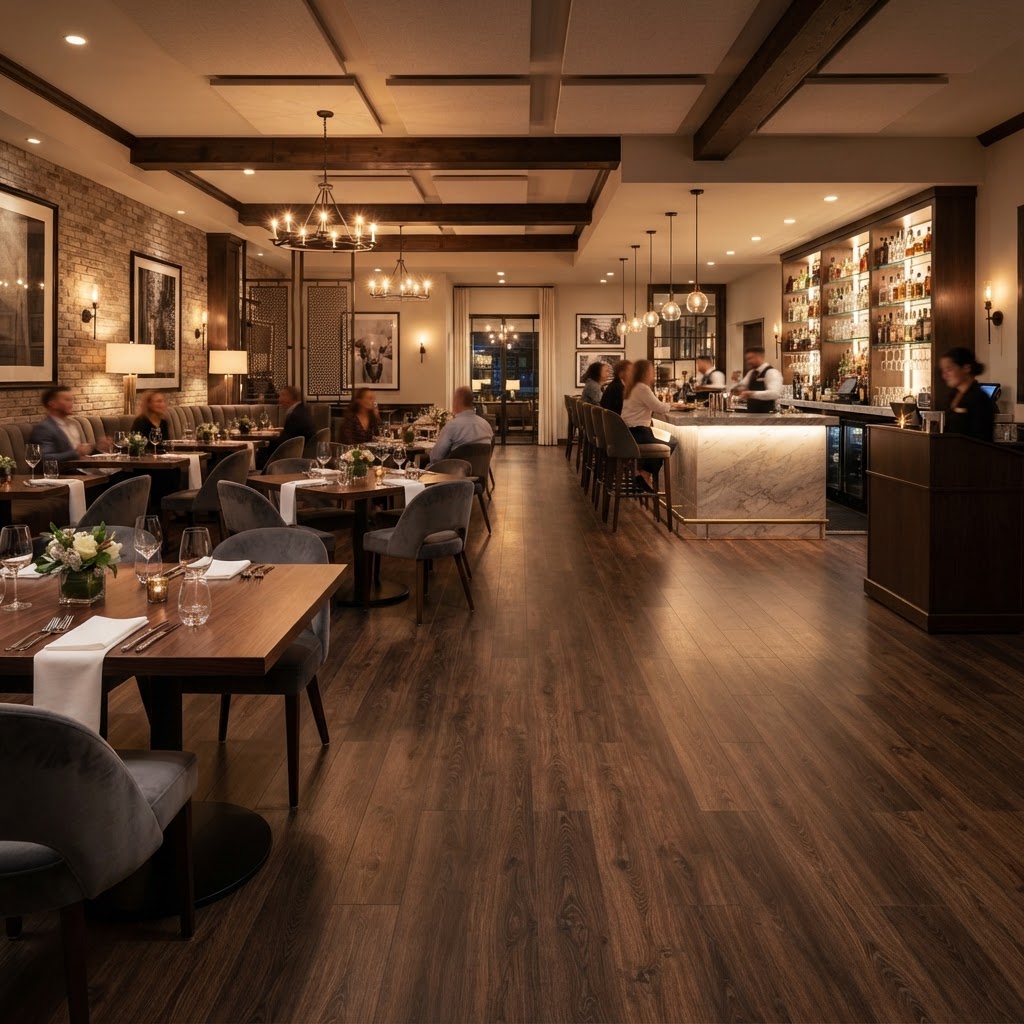
Carpet tile in restaurant dining areas improves acoustics and comfort. Kitchens and back-of-house require impervious, slip-resistant flooring. See our Best Flooring for Restaurants guide for full recommendations.
Buying Checklist
- Traffic rating: Class 33 for most commercial spaces
- Fiber type: Solution-dyed nylon for durability and stain resistance
- Backing system: Cushion back for comfort/acoustics; moisture-impervious for wet areas
- Warranty: Commercial warranty of 10–15 years minimum
- Pattern layout: Ashlar for most offices; monolithic for uniform looks
- Installation method: Full spread adhesive for permanence; releasable for leased spaces
- Spare tiles: Order 5–10% extra for future replacements
- Subfloor condition: Have PTAH Flooring assess and prepare the subfloor
- Maintenance plan: Establish daily vacuuming and periodic deep cleaning schedule
- Fire code: Verify the product meets local fire codes for commercial spaces
Our Recommendation
For commercial spaces across the Treasure Coast — offices in Stuart, medical facilities in Port St. Lucie, retail in Jupiter, schools in Palm City — commercial carpet tile is one of the smartest flooring investments you can make. Its modularity, durability, and design flexibility make it the practical choice for spaces that need to look professional while standing up to daily wear.
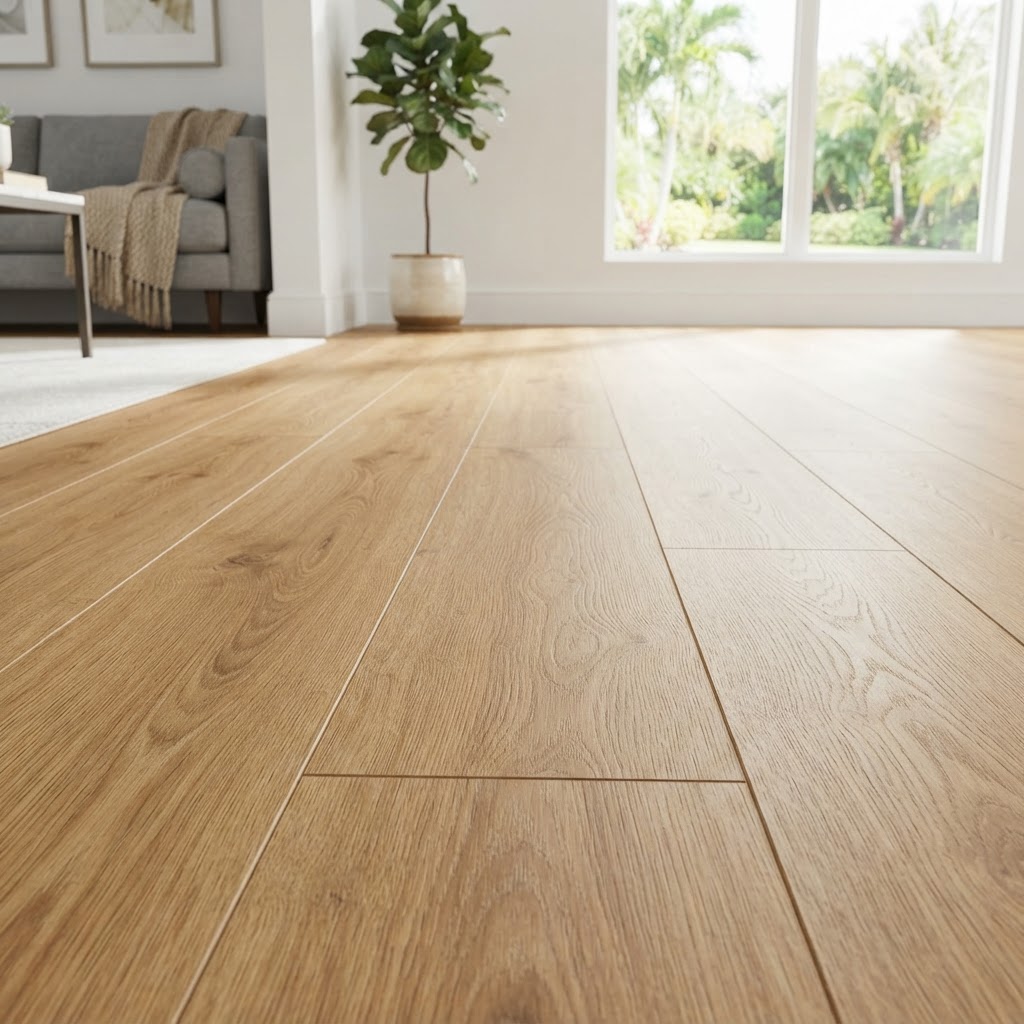
Pair carpet tile with glue down luxury vinyl in break rooms, corridors, and wet areas for a complete commercial flooring solution. See our Carpet Tile Collection and commercial project showcase for real installation examples.
Ready to start your commercial flooring project? Contact PTAH Flooring for a site consultation across Stuart, Port St. Lucie, Palm City, Jensen Beach, Fort Pierce, Jupiter, Palm Beach Gardens, and Vero Beach.